

This post is for our Paid Subscribers. If you haven’t subscribed yet,
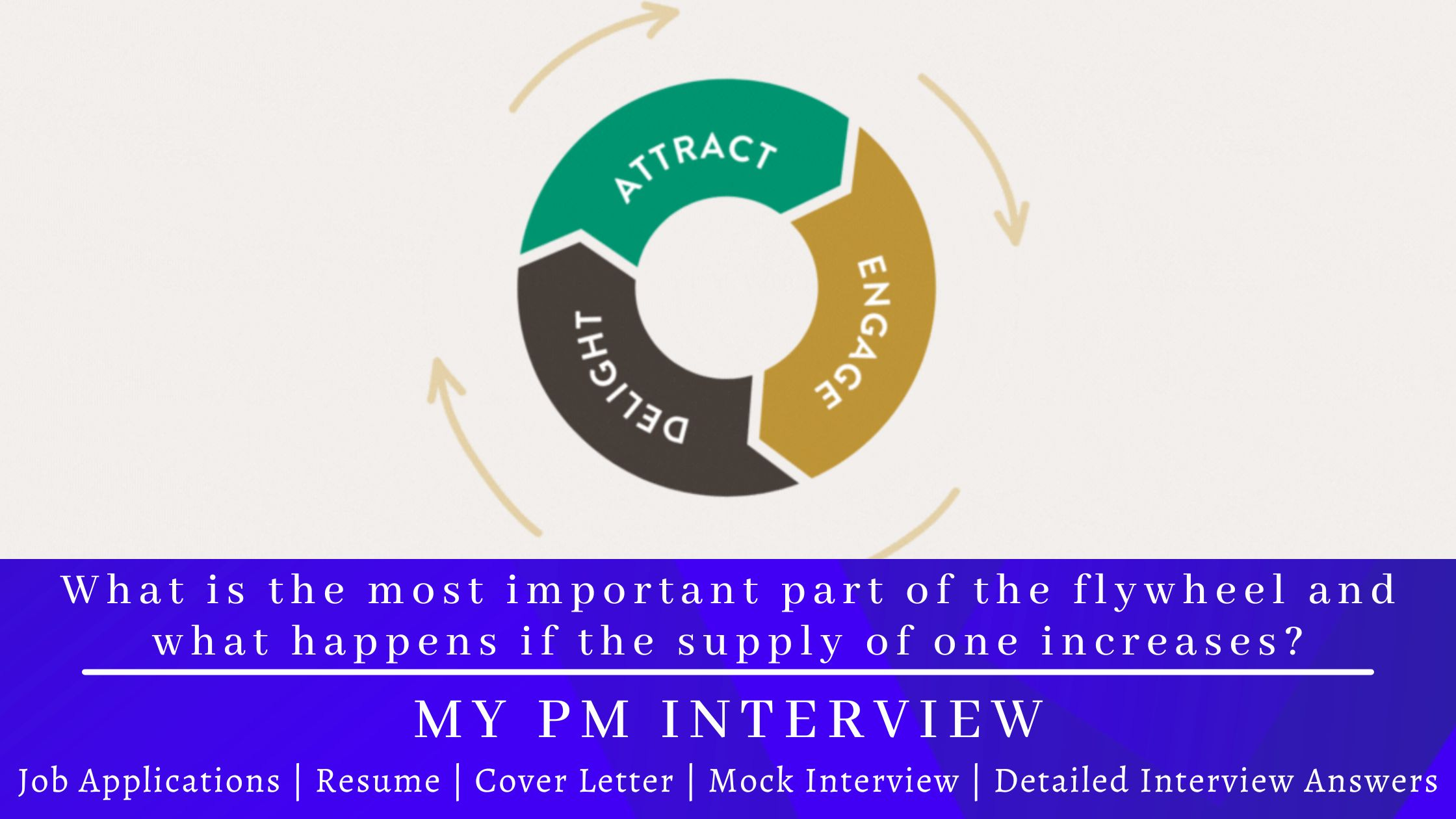
Amazon’s 2023 annual report revealed that third-party sellers now account for 60% of items sold on the platform, up from just 3% in 1999. That single statistic tells you everything about flywheel mechanics: Amazon deliberately chose to strengthen supply (sellers) to drive selection, which drove traffic, which attracted more sellers, compounding indefinitely. But here’s the honest answer most strategy discussions skip: not every node in a flywheel is equal, and if you accelerate the wrong side of supply without the corresponding demand infrastructure to absorb it, you don’t get a virtuous cycle. You get a vicious one.
The most important part of any flywheel is the trust node: the element that both sides of the market must believe in before they’ll participate at all. Break trust, and every other node decouples. Understand this one principle, and you’ll answer flywheel strategy questions in a way that separates you from 90% of candidates.
Q: Walk me through how you think about flywheel dynamics in a marketplace or platform context. What’s the most important part, and what happens when supply increases on one side?
A: Before I give you my position, let me quickly clarify a few things so my answer is as relevant as possible.
Clarifying question 1: Are we discussing a specific type of platform, such as a two-sided marketplace, a content platform, or a hardware ecosystem?
Assumed answer: Two-sided marketplace, similar to Amazon, Flipkart, or Meesho.
Clarifying question 2: When you say “supply increases,” do you mean a sudden surge, like a promotional campaign onboarding new sellers, or an organic growth trend over time?
Assumed answer: A deliberate, company-driven supply-side push over 6-12 months.
Clarifying question 3: Are we optimizing for long-term compounding or short-term GMV metrics?
Assumed answer: Long-term flywheel health, not a quarterly GMV spike.
Good. With that framing, my answer won’t hedge between “all nodes matter equally” and some vague consultant answer. My actual position is this: the trust node is the most important part of any flywheel, and when supply increases without a corresponding quality-signaling mechanism, you don’t accelerate the flywheel. You stress it.
Let me walk through this systematically using a framework I call TRACE.
