

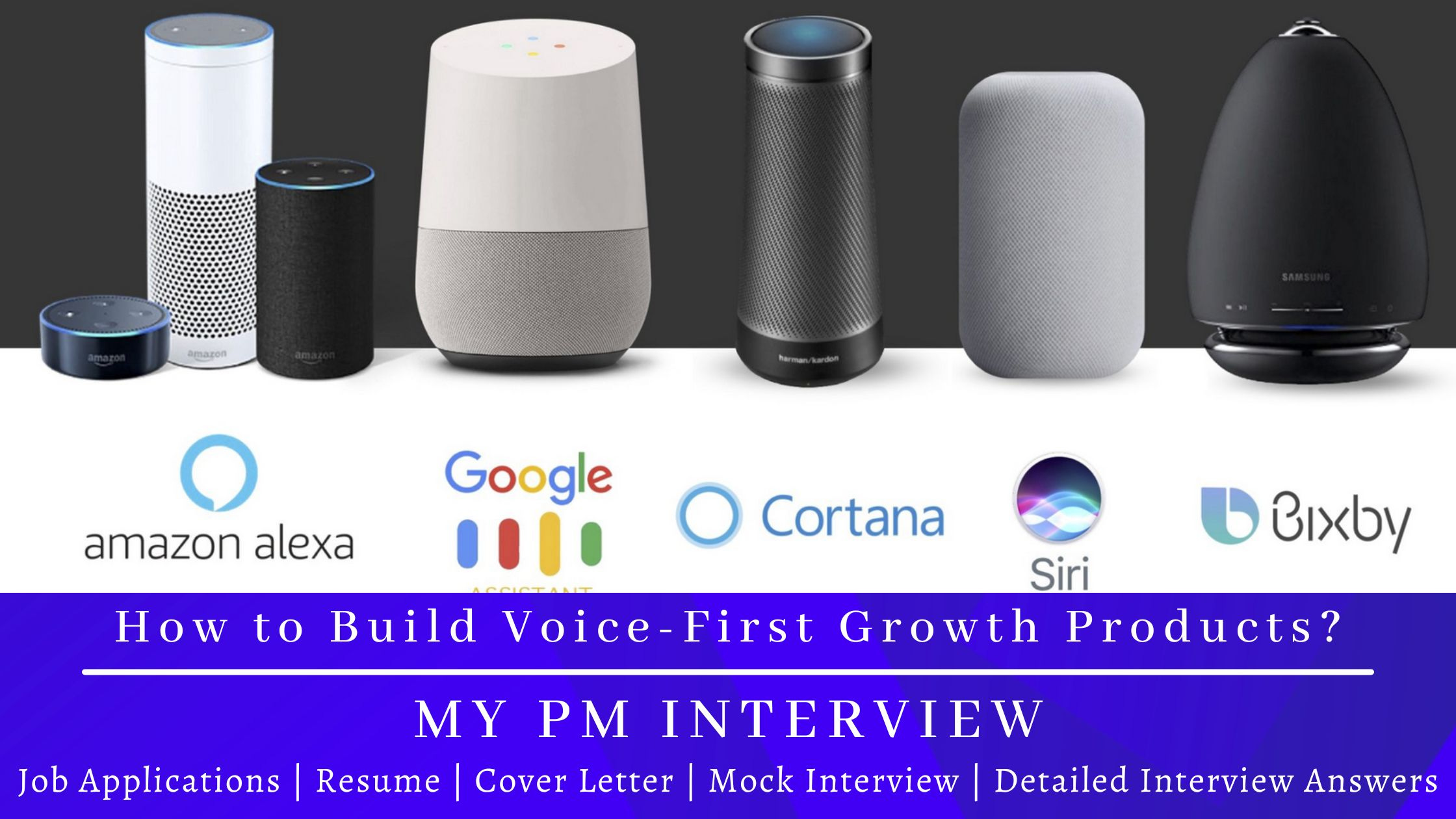
Voice assistants are no longer a novelty feature. They are becoming a default interface for search, commerce, and productivity. Users now ask questions, buy products, control devices, and consume content using voice instead of typing or clicking.
For product managers, this shift changes three core things:
1) Discovery
Voice assistants often return one single answer, not a list of links. If your product is not that answer, you are invisible.
2) UX Expectations
Users expect instant, conversational, and actionable responses, not long explanations or complex flows.
3) Distribution Power
Voice platforms are controlled by a few players (Google, Amazon, Apple). That means platform strategy becomes as important as SEO strategy.
By the end of this, you will be able to:
Understand how voice assistants decide what to answer
Reverse engineer voice search results like a PM reverse engineers competitor features
Design content and experiences optimized for voice-first users
Build a platform strategy for Google Assistant, Alexa, and Siri
Identify owned vs earned levers to grow voice presence
Create a roadmap for voice-driven product growth
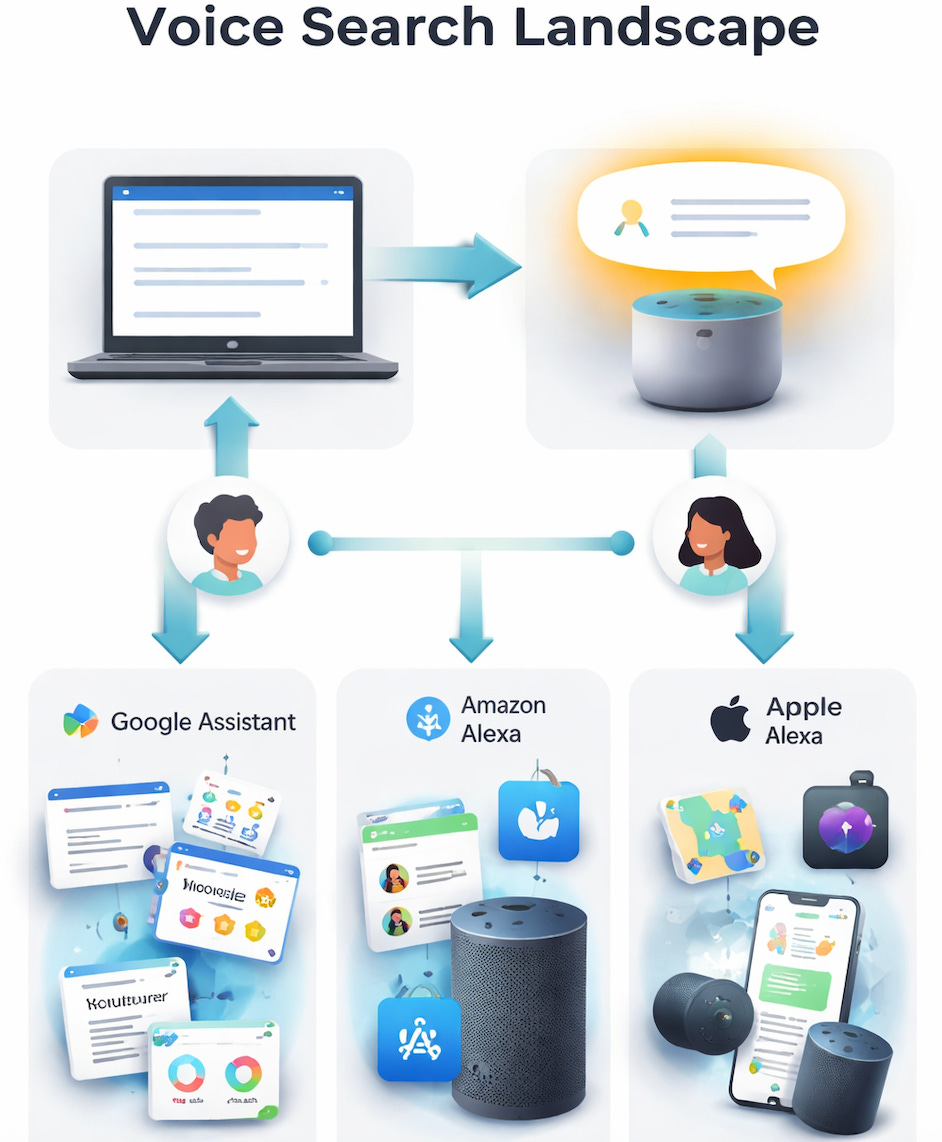
Voice Search Landscape Today
Voice assistants fundamentally change how search and discovery work.
Voice Is an Answer Engine, Not a Search Engine
Traditional search shows 10 blue links.
Voice gives one spoken answer.
This creates a winner-takes-all discovery model.
For PMs, this means:
Ranking #2 in voice equals zero visibility
UX must be optimized for short, spoken responses
Content must be structured for extraction, not reading
Where Voice Assistants Get Their Data
Each assistant pulls data from different ecosystems:
Google Assistant
Web pages and featured snippets
Google Knowledge Graph
Google Business Profiles
Google Maps and reviews
Amazon Alexa
Amazon product listings and reviews
Alexa skills and apps
Structured third-party content
Apple Siri
Apple Maps
Yelp
Apple Search index
Apple device integrations
Insight: Voice is not just SEO. It is a platform product distribution.
Why AI Changes Voice Optimisation
Modern AI models summarize content instead of quoting it. This creates new challenges:
AI might paraphrase your content without linking
Only structured and authoritative content gets picked
Entities and knowledge graphs matter more than keywords
Implication: You are optimizing for machine understanding, not just humans.
Who Benefits Most From Voice Optimization
Voice-first wins are strongest in:
Local services (food, travel, healthcare)
E-commerce and reordering flows
How-to content and tutorials
Smart home and automation products
Productivity and scheduling tools
Takeaway: If your product has a repetitive or real-world action, voice is a growth channel.
Start With Intent:
Voice optimisation starts with understanding what users say and why they say it.
Think of this like building a Jobs To Be Done map for voice.
