


What’s inside?
Why Starbucks as a Business Case?
Starbucks Core Strategy
Strategic Benefits of Premium Positioning
The “Third Place” Strategy
Experience Marketing
Mass Customisation at Global Scale
Operational Trade-Offs in Personalisation
Behavioural Pricing Strategy
Product Portfolio Strategy
Globalisation and Market Entry Strategy
Competitive Environment and Strategic Moat
Overexpansion and Strategic Retrenchment
Human Resources Strategy
Corporate Social Responsibility as a Strategic Moat
Key Strategic Risks and Vulnerabilities
Metrics and KPIs for Starbucks
Why Starbucks as a Business Case?
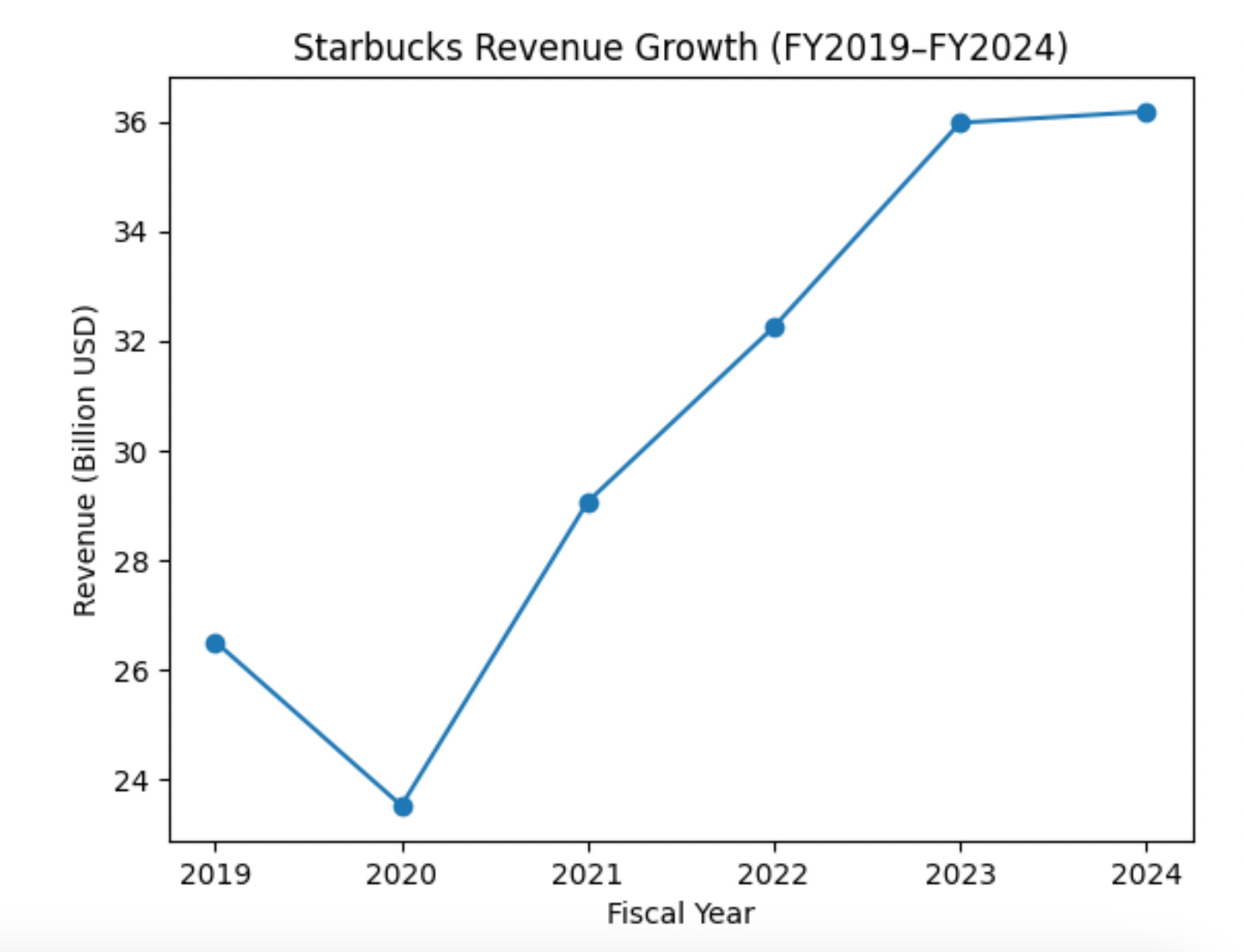
Starbucks is one of the most powerful examples of how a company can transform a low-cost commodity product into a globally scalable premium lifestyle brand. Coffee is inexpensive and widely available, yet millions of customers willingly pay a premium for Starbucks. This business case study explains the strategic architecture behind that success and turns it into a structured learning guide for product and program management interviews.
The central strategic insight behind Starbucks is simple but profound: they are not selling coffee; they are selling a branded emotional experience.
Starbucks Core Strategy
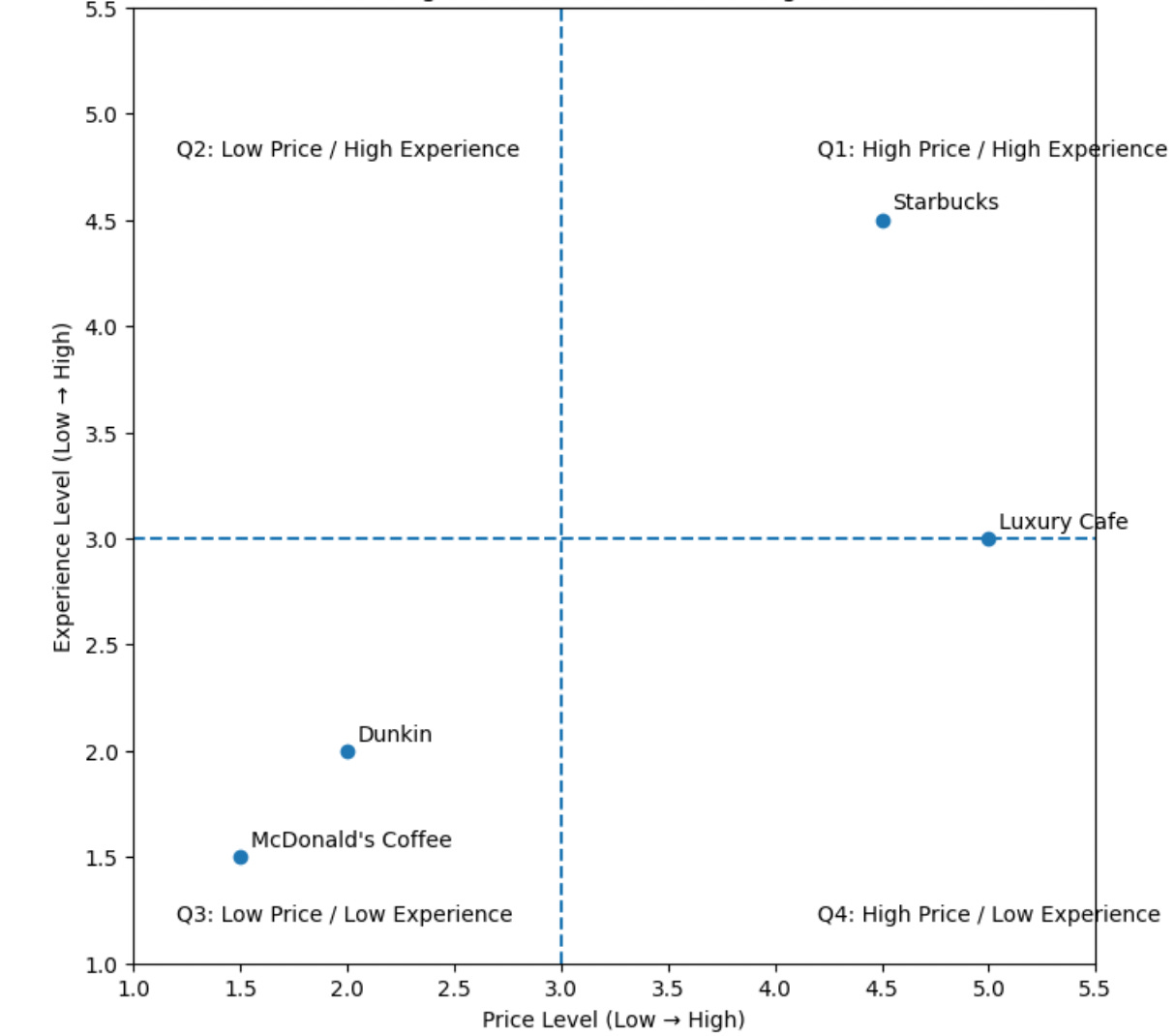
Starbucks intentionally positions itself at the high end of the market across three dimensions:
Price
Quality
Customer experience
Unlike convenience stores or fast-food chains, Starbucks does not compete on cost. Instead, it competes on brand identity, emotional value, and atmosphere.
Strategic Benefits of Premium Positioning
Enables higher margins and pricing power
Insulates against commodity price volatility (e.g., coffee bean prices)
Builds strong brand equity and customer loyalty
Creates differentiation in a highly competitive market
Key Insight: Premium positioning is not about luxury. It is about perceived value creation that justifies higher pricing.
The “Third Place” Strategy:
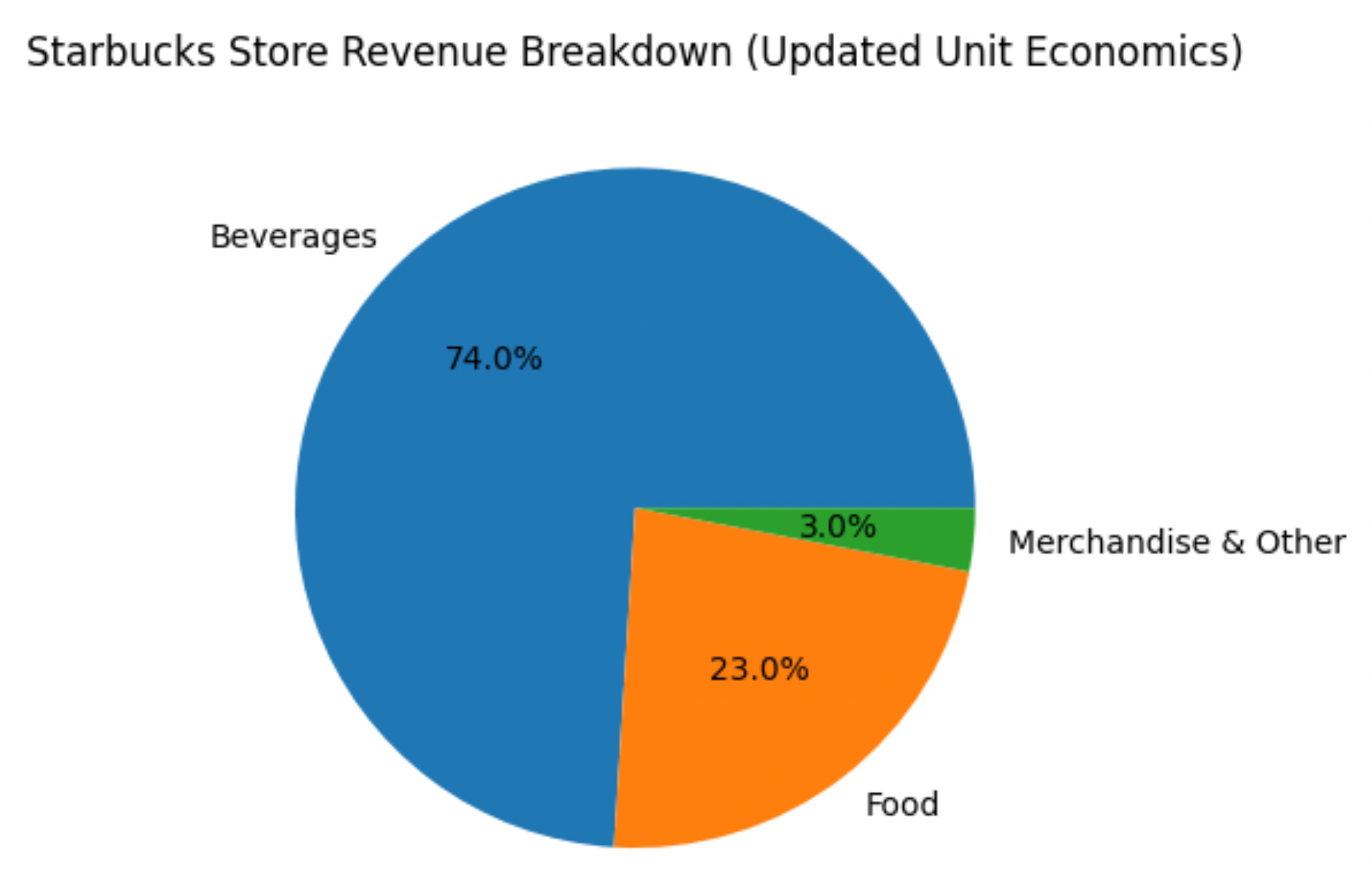
What Is the Third Place?
The “third place” is a social environment that is neither home nor work. Starbucks designed its stores to become this consistent, reliable space for customers.
Physical Experience Design Elements
Comfortable seating and ergonomic furniture
Warm lighting and curated music
Communal tables and individual workspaces
Free Wi-Fi and power outlets
Localized design elements with global brand consistency
Business Impact
Increases dwell time
Higher probability of additional purchases (pastries, second drinks)
Strengthens emotional attachment to the brand
Insight: Starbucks applied UX and service design principles to physical retail spaces, treating stores like a product interface.
