

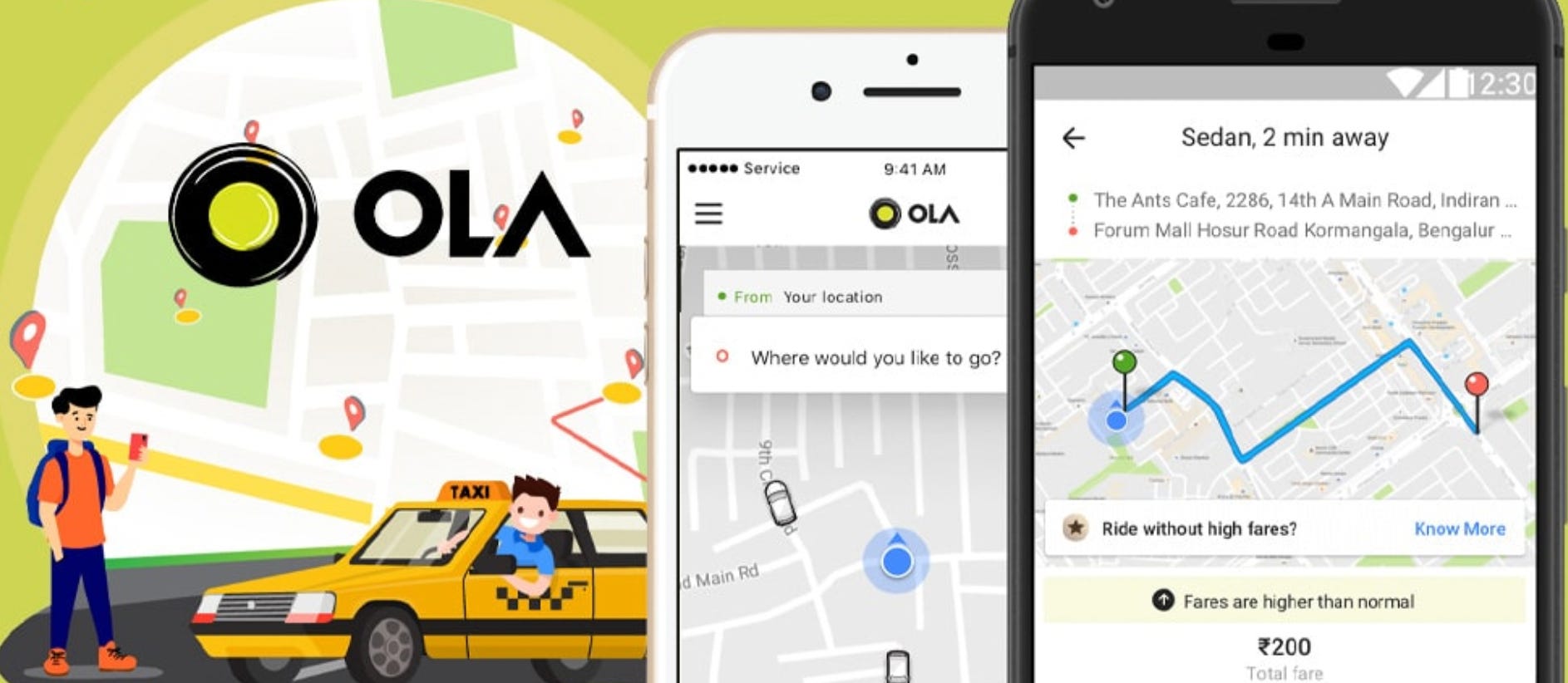
For more than a decade, India’s ride-hailing market was ruled by two giants: Ola and Uber.
They raised billions of dollars, expanded aggressively, and made cab booking a daily habit for millions of Indians. Yet, even after all that scale, profits remained elusive, and driver dissatisfaction kept rising.
Then came Rapido.
Rapido did not try to outspend Ola or Uber. It didn’t fight them head-on in cars. Instead, it asked a much simpler question:
“What does mobility look like for the average Indian?”
That question changed everything.
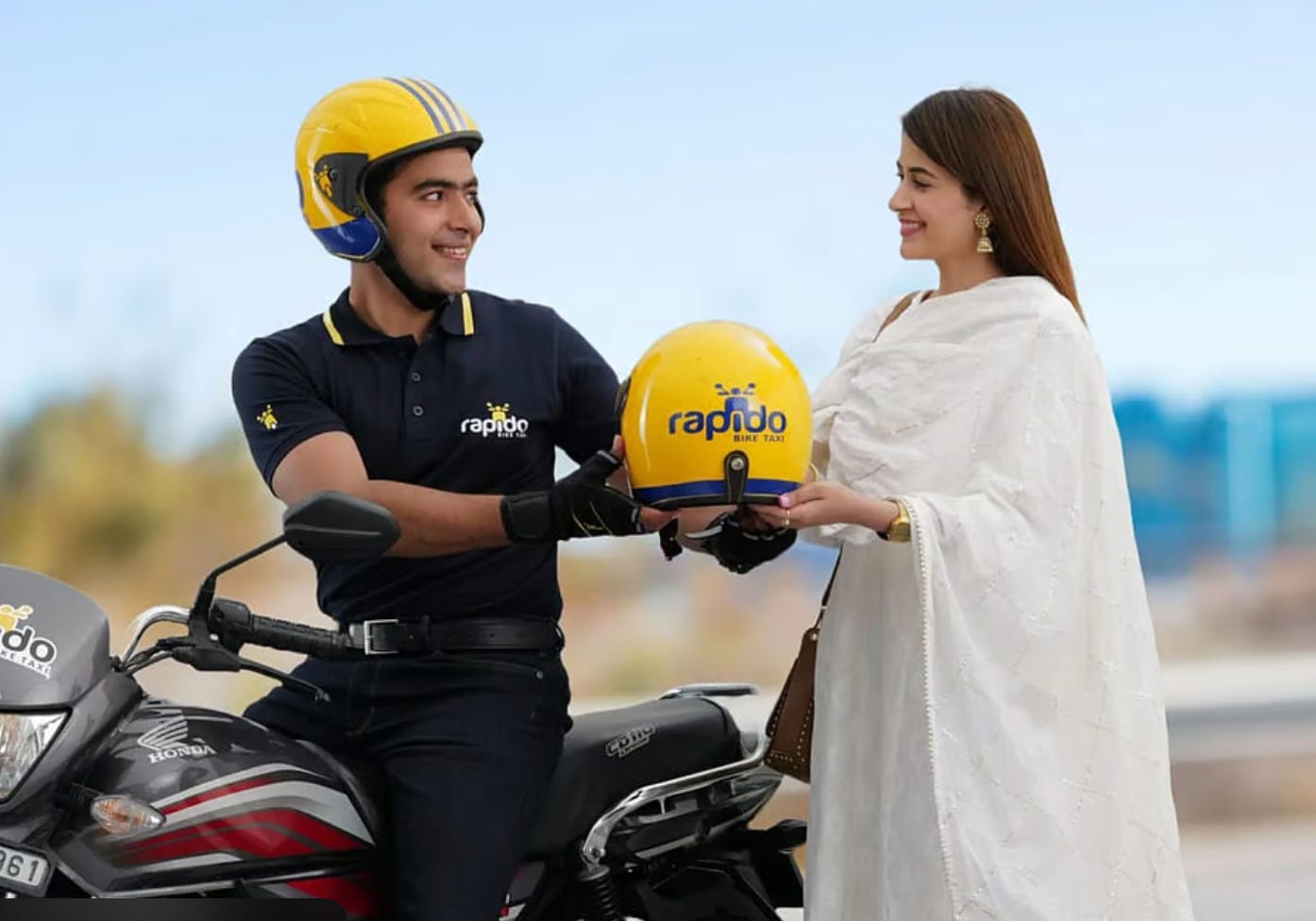
Rapido realized that India is not a car-first country — it is a two-wheeler-first economy. Most people own bikes, most daily trips are short, traffic is dense, and affordability matters more than comfort. By building a bike-taxi platform and later extending the same thinking to autos and cabs, Rapido unlocked massive, underserved demand.
Even more importantly, Rapido flipped the usual marketplace logic.While Ola and Uber optimised primarily for customer growth, Rapido optimised for driver sustainability.
Instead of:
High commissions
Unpredictable incentives
Delayed payouts
Rapido introduced:
Fixed daily fees (subscription-style)
Predictable earnings
Faster cash flow for drivers
This single shift helped Rapido attract and retain millions of drivers at a fraction of the capital spent by incumbents.
Rapido is a masterclass in:
Designing products for local realities, not global templates
Using business model innovation as a growth lever
Solving supply-side pain to unlock demand at scale
Winning in competitive markets without outspending incumbents
This case study explains how Rapido did it, why it worked, and what PMs can apply to their own products.
Background & Market Context
How Ola and Uber built the market
When Ola and Uber entered India, they had to create the market from scratch.
People were not used to:
Booking rides via apps
Trusting unknown drivers
Paying digital fares
To change behaviour, both companies followed a classic VC-backed playbook:
Cash-burn phase
Heavy discounts for riders
Large incentives for drivers
Very low commissions
Habit formation phase
Users get used to booking rides
Drivers become dependent on platform income
Control & monetization phase
Incentives reduced
Commissions increased (20–40%)
Surge pricing introduced
This worked in creating scale, but it created two deep problems:
Drivers felt betrayed as incomes dropped after years of dependency
Customers faced rising prices, surge caps, and inconsistent experience
The system worked, but it was fragile.
India is not a car economy
Rapido’s biggest insight was not technical. It was contextual.
In India:
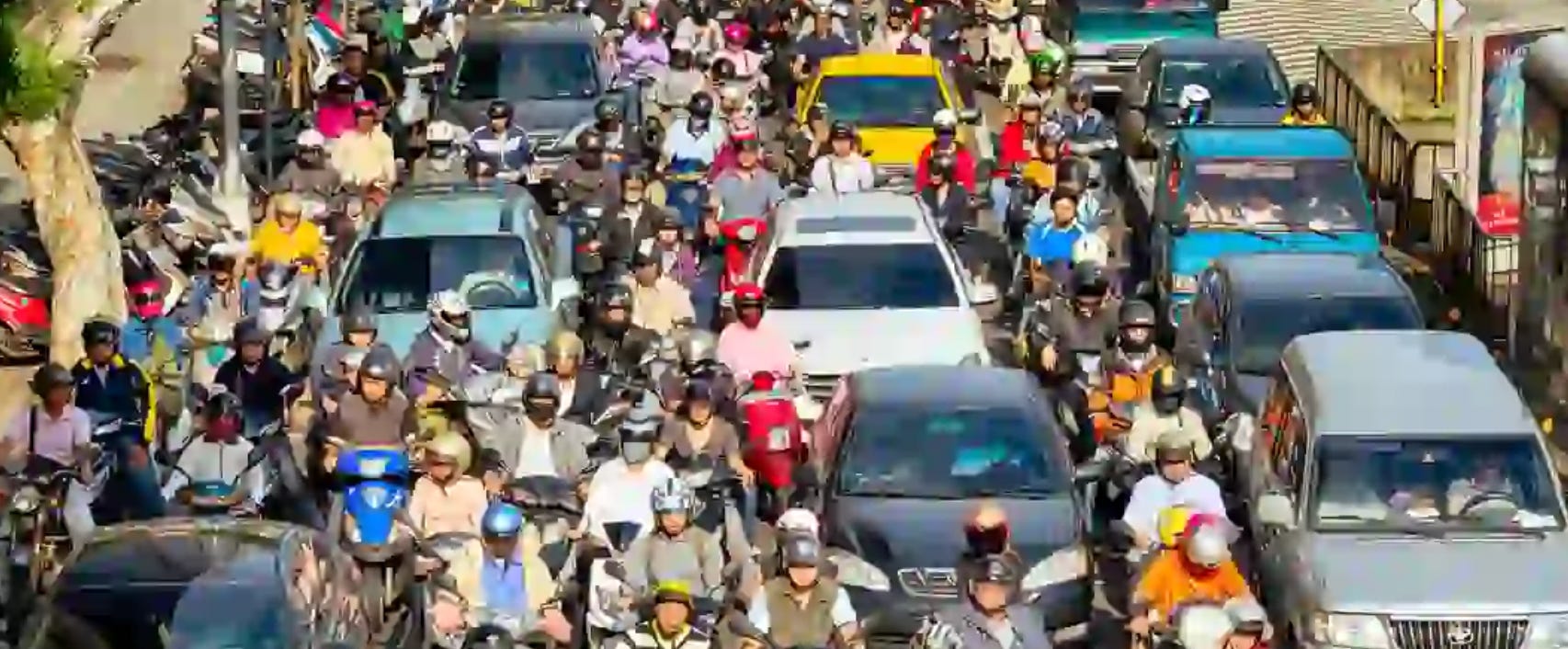
Two-wheelers dominate vehicle ownership
Most daily trips are short (3–8 km)
Traffic congestion is severe
80%+ people earn under ₹30,000/month
A car-first mobility solution makes sense in the US or Europe.
In India, it makes mobility expensive and inefficient.
Two-wheelers, on the other hand:
Cost far less to run
Move faster in traffic
Are already owned by millions
Rapido didn’t invent new behaviour. It formalised existing behaviour.
That is why bike taxis worked.
The gaps Ola and Uber left open
By 2018–2019, three clear gaps had emerged:
1. Asset mismatch
Cars were overkill for most Indian daily commutes.
2. Driver dissatisfaction
Rising commissions and falling incentives hurt driver livelihoods.
3. Tier-2 & Tier-3 neglect
Most innovation and subsidies were focused on metros, not “Bharat”.
Rapido entered exactly where these gaps overlapped.
The biggest opportunities often appear after a market matures, when users are unhappy, costs rise, and incumbents can’t change direction easily.
Rapido’s Origin Story & Early Strategy
Rapido didn’t start as a ride-hailing company
Rapido’s founders initially built a B2B logistics startup called TheKarrier.
While running it, they noticed something simple but powerful:
